Operational Debt Is the Invoice You Never See Coming
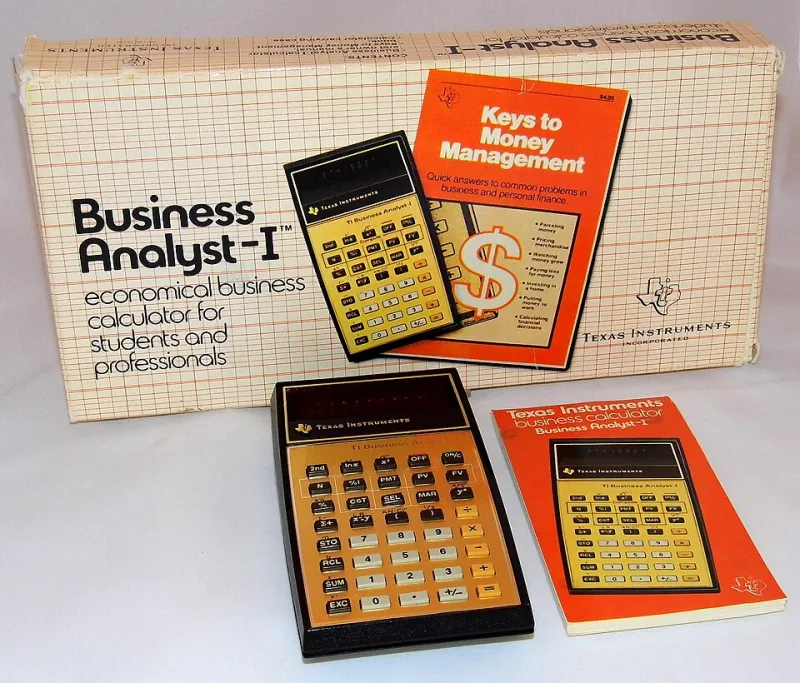
Photo: Joe Haupt from USA, CC BY-SA 2.0, via Wikimedia Commons
Every operations leader has said it. The quarter is closing, the team is stretched thin, and someone proposes building a proper tracking system. The response is predictable: "We'll track it later — for now, just keep a running list."
It sounds pragmatic. It rarely is.
Deferred data capture behaves exactly like technical debt in software: the shortcut works today, but interest accrues every day the shortcut remains in place. And unlike technical debt, operational debt is harder to spot because nobody opens a file labeled "debt." It hides inside estimates, assumptions, and the growing gap between what leadership believes is happening and what actually is.
The Compounding Mechanics of 'Later'
The first week of manual tracking costs almost nothing. Someone keeps notes in a shared document, and the process runs fine. The problem is that manual capture degrades on a curve, not a line.
Week one: complete and accurate. Week six: gaps appear where a team member was out sick or a handoff happened verbally. Week twenty: the record is less a source of truth than a collection of best guesses. By the time anyone audits it, the data is too unreliable to support a decision — which means every decision built on it inherits the unreliability.
This is the interest payment. Not the hours spent maintaining the spreadsheet, though those are real, but the slow erosion of confidence in the numbers themselves. Once teams stop trusting the record, they stop consulting it, and the system is dead even if the spreadsheet technically still exists.
Three Places the Bill Arrives
Forecasting. Without structured historical data, every forecast is an opinion wearing a costume. A logistics operation in Ohio we reviewed had projected Q4 volume using a two-year-old peak season as its baseline — not out of laziness, but because no current data existed to supersede it. The forecast was off by 30%, and the overtime budget absorbed the difference.
**Hiring." Justifying headcount requires evidence: workload volume, cycle times, utilization rates. When tracking is deferred, the case for the next hire rests on anecdotes. In a tight labor market, the manager who can show the data wins the requisition; the manager who can't, waits.
Client commitments. Service-level promises made without reliable cycle-time data are essentially guesses with contractual consequences. The penalty for being wrong isn't a line item — it's a renewal conversation.
A Framework for Pricing the Delay
If you want to have an honest internal conversation about deferring tracking, estimate three figures:
- Rework cost — hours spent reconstructing what happened, reconciling conflicting records, or answering questions the system should have answered. Multiply by loaded labor rates.
- Decision error cost — the delta between decisions made with incomplete data and the decisions the data would have supported. Even a conservative 5% error rate on budgeted operational spend is often larger than the entire cost of a tracking platform.
- Opportunity cost — the analyses, automations, and process improvements that are simply impossible without structured data. This one never appears on a ledger, which is precisely why it's the largest.
Run that math on a six-month deferral and "later" usually turns out to be the most expensive option on the table.
The Realistic Path Forward
The argument here isn't for a massive transformation project. It's for refusing to let the deferral be invisible. If tracking is postponed, put a date on it, quantify the known cost of the gap, and revisit the decision quarterly. Debt is survivable when it's managed. It's the unacknowledged kind that sinks operations.
The teams that track well didn't start with better tools or bigger budgets. They started by refusing to treat "later" as a free option — and treating their operational data as an asset that either appreciates with structure or depreciates without it.